
How Do I Choose the Right Sheet Metal Fabrication Company in NJ has become more important as the manufacturing industry in New Jersey continues to grow in 2025 due to rising demand in HVAC, medical devices, electronics, and industrial equipment, aligning with broaderU.S. manufacturing activity trends. With the increased production, most of the NJ businesses are re-evaluating their suppliers to avoid typical problems such as long lead times, inconsistent quality and communication failures. This makes clear communication between businesses and their sheet metal fabrication partners essential for successful collaboration and smooth project execution.
Choosing the right sheet metal fabrication company in NJ isn’t just a purchasing decision—it’s an operational one. The fabricator that you choose will influence your timelines, tolerances, and scaling capacity. The following guidelines explain seven feasible key factors and criteria that NJ manufacturers employ to screen fabricators with confidence.
Introduction to Metal Fabrication
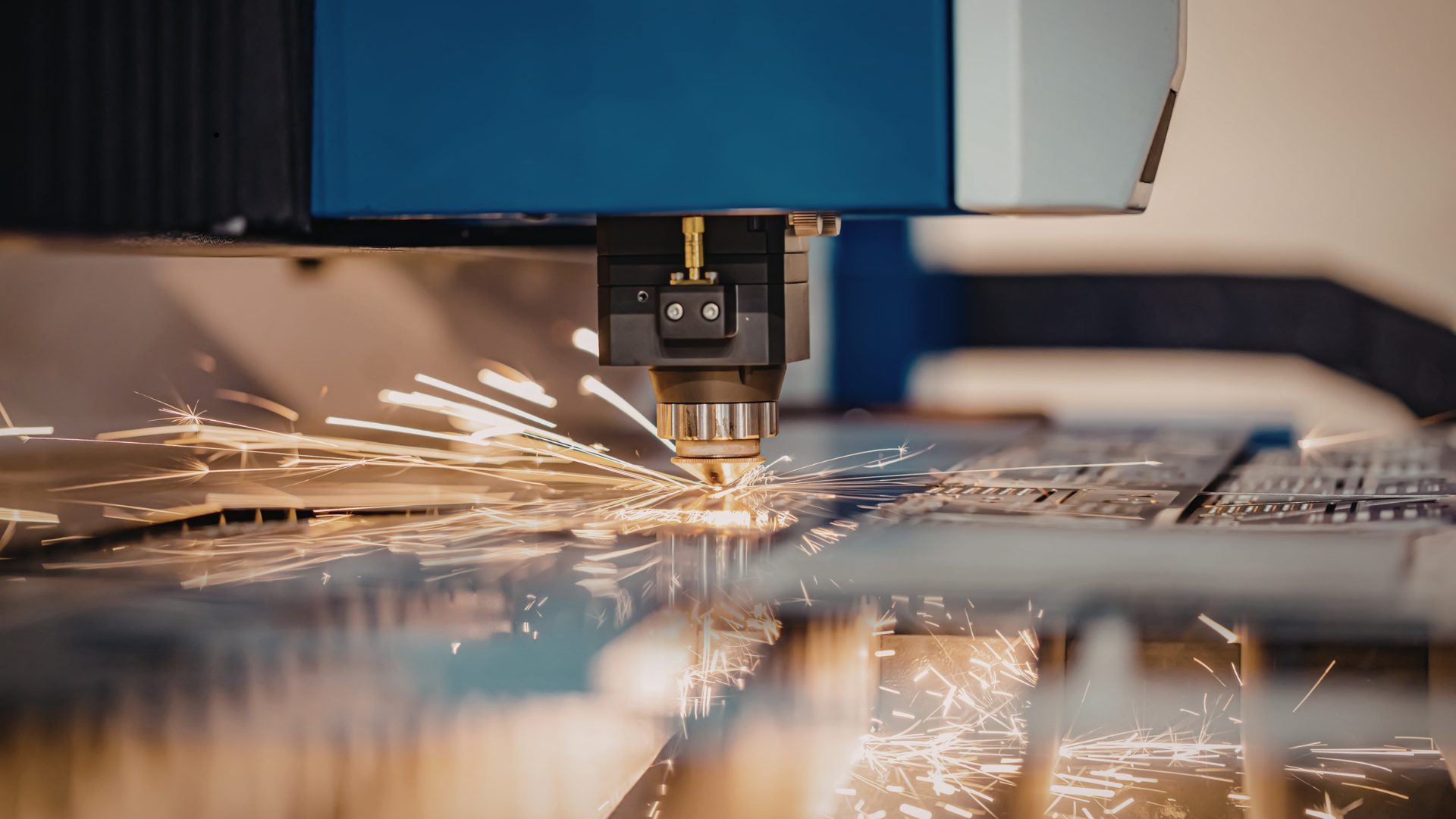
Metal fabrication is the backbone of the manufacturing industry, encompassing a wide range of processes used to create metal structures and components from raw materials. At its core, sheet metal fabrication involves transforming flat metal sheets into finished metal parts through cutting, bending, welding, and assembly. Custom sheet metal fabrication is especially valuable for businesses that require unique or complex metal components tailored to exact specifications.
Choosing a metal fabrication company with a proven track record is essential for ensuring consistent quality and adherence to industry standards. The entire process—from initial material sourcing to the delivery of the final product—demands technical capabilities, a skilled workforce, and a deep understanding of the manufacturing process. A reputable fabrication company will not only meet but often exceed quality standards, providing metal components that perform reliably in their intended applications. In today’s competitive metal fabrication industry, partnering with a company that demonstrates expertise, reliability, and a commitment to high standards is key to achieving successful project outcomes.
Evaluate Experience and Reputation in New Jersey
When things are not going as planned, experience is the key. Retailers that have been in operation in New Jersey over decades have already experienced supply chain volatility, labor issues, and changing customer needs. The result of that institutional knowledge is usually a more efficient production and a lack of surprises.
Instead of general assertions, you will be interested in seeking tangible evidence of long-term reliability. The following factors assist you in determining whether a fabricator is deep rooted and reputable to carry on with production- not a one-off work.
Assess In-House Capabilities and Equipment
Outsourcing critical processes—such as cutting, forming, or metal stamping—is the cause of many problems in sheet metal projects. In the case of off-site cutting, forming, or welding, lead times are extended and responsibility is undefined. Such risks tend to emerge in the middle of the project, when they are most difficult to implement. That’s why it’s essential to evaluate a company’s fabrication capabilities and look for a partner that offers a wide range of sheet metal fabrication processes under one roof. This approach streamlines production, reduces coordination effort, and ensures higher quality and efficiency.
To minimize that exposure, you’ll want to confirm which processes—such as CNC machining—a fabricator actually controls internally. Assessing core capabilities helps ensure the shop can manage your project end to end, including finishing processes, without unnecessary handoffs.
- Laser cutting and turret punching
- CNC press brake forming, including robotic bending
- MIG and TIG welding
- Robotic welding for precision and automation
- Roll forming for consistent, complex profiles
- A broad range of sheet metal fabrication processes
- Coordinated finishing such as powder coating or plating
- Common materials including steel, stainless steel, and aluminum
Consider Location and Turnaround Time in NJ
The speed and communication are directly affected by location. It might seem that working with an international or foreign supplier can be cost-effective, but the time and cost of working with it can be compensated by delays, logistics problems, and inaccessibility.
A centrally located New Jersey facility can deliver faster turnaround, easier site visits, and more reliable coordination with dedicated shipping vehicles when timelines are tight. In the case of the companies in Newark, Edison, Elizabeth, or the whole of Central NJ, the distance can make a big difference in terms of turnaround time. Additionally, transparent communication with local fabricators is crucial to ensure you receive timely updates and can effectively manage expectations throughout your project.
Verify Certifications and Quality Assurance
Quality issues in sheet metal fabrication are rarely visible at first glance. They often appear later during assembly or installation, when rework is expensive and schedules are already tight. That’s why formal quality systems matter. It is essential to define and adhere to quality requirements throughout the entire fabrication process to ensure components meet strict standards and specifications.
Before moving forward, you’ll want to understand how a fabricator verifies accuracy and repeatability across fabrication, assembly services, and inspection. The criteria below help you confirm whether quality is built into their process—using advanced equipment and processes such as CNC machines, automated lines, and laser cutters ensures consistent quality and directly impacts the overall quality of the finished product—not inspected in at the end.
- ISO 9001:2015 certification
- In-process and final inspections
- Documented tolerance control, often down to ±0.005”
- Experience meeting regulated industry standards when required
Compare Fabricators Using Objective Criteria
When reviewing multiple NJ metal fabricators, quotes alone don’t tell the full story, especially when many vendors appear similar in regional contractor directories. A thorough selection process should consider not just price, but also cost effectiveness and the company’s project management capabilities, as these factors can significantly impact the success and efficiency of your project. Two shops may offer similar pricing while operating at very different levels of capability and risk.
A side-by-side comparison helps you focus on operational stability rather than surface-level differences. The table below highlights common red flags versus indicators of a long-term fabrication partner.
| Criterion | Red Flags | Green Flags |
| Experience | Less than 20 years | 50+ years serving NJ manufacturers |
| Equipment | Heavy outsourcing | In-house CNC and robotic systems |
| Location | Offshore or distant | Union, NJ–based facility |
| Quality | No formal system | ISO-certified QA processes |
Look for Engineering Support and Customization
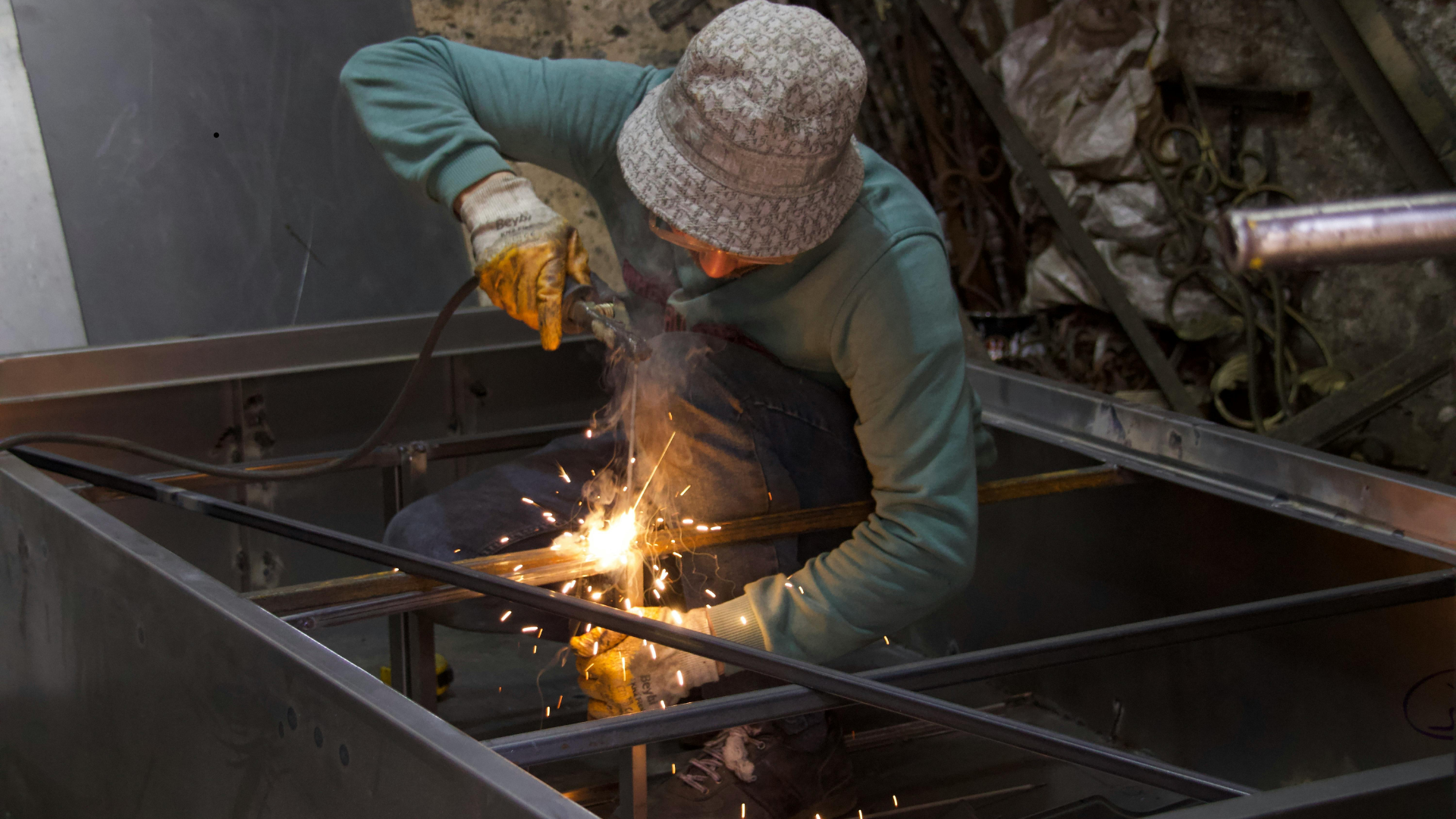
Fabrication isn’t just about building to print—especially when projects involve secondary processes like CNC milling that affect fit, tolerances, and downstream assembly. The most effective suppliers act as technical partners, offering feedback that improves manufacturability and reduces cost before production begins. For unique project requirements, the ability to provide custom fabrication and custom metal solutions is essential to ensure tailored, precise, and efficient results.
Engineering support is especially important for custom sheet metal NJ projects, where early decisions affect tooling, material usage, and scalability. The design phase plays a critical role in ensuring manufacturability and cost efficiency, as detailed planning and optimization at this stage help avoid costly issues later.
- Design-for-manufacturability (DFM) feedback
- CAD file integration and revision support
- Guidance on materials, gauges, and finishes
- Support for prototypes through production runs
- Expertise in complex projects requiring advanced welding and CNC machining
- Ability to achieve tight tolerances for precise fit and function
Conclusion:
Selecting the right sheet metal fabrication company in NJ comes down to verification, not assumptions. Long-term success is contributed by experience, in-house capabilities, location, quality systems and engineering support.
When considering partners, consider NJ fabricators that provide standard sheet metal fabrication and fully custom sheet metal fabrication in a single location. Once you are prepared to talk about requirements or schedules, you may contact us via a special contact page to help us understand fit before we start production.