

Do New Jersey fabricators offer prototyping before full production? That question often arises before a purchase order is made to manufacturing decision-makers who are risk-averse, cost-averse, and speed-averse.
Practically, New Jersey fabricators prototyping services are not only ubiquitous, but frequently a vital initial step taken to test designs, materials and tolerances prior to committing to scale.
Prototyping enables the engineers and product teams to test a concept under pressure in the real world.
Rather than finding out about design flaws when the tooling is cut or the production is underway, a physical prototype shows problems early, fit, strength, assembly sequence, or manufacturability, when alterations are still cheap.
In the case of companies in the automotive, energy, HVAC and industrial equipment sector, this phase can avoid delays that propagate through supply chains and budgets.
The proximity is what makes New Jersey particularly relevant. The benefit of using a local fabricator is that the iteration cycle is much quicker, collaboration between engineering teams is easier, and lead times between concept and pre-production testing are also reduced.
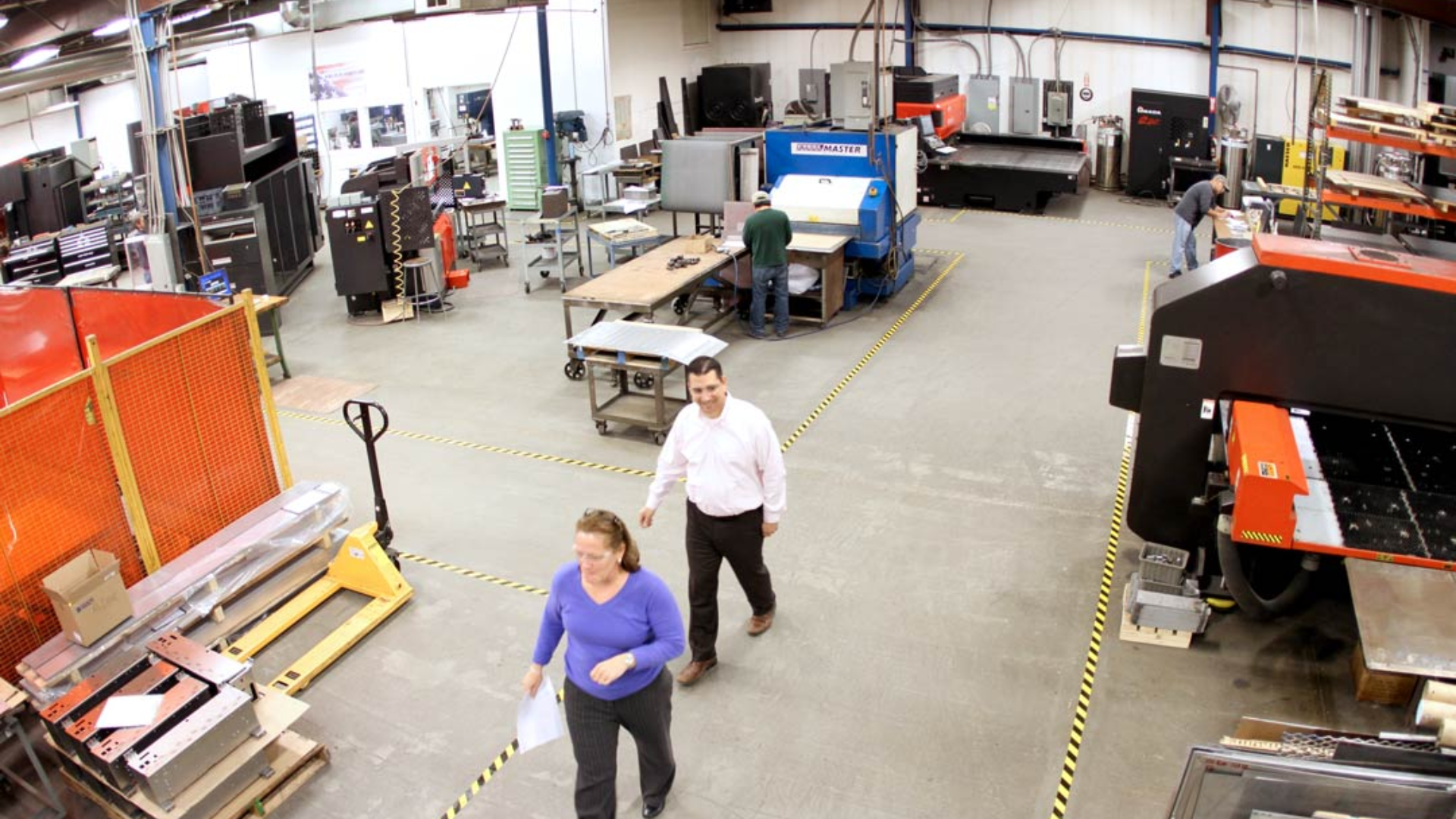
NJ has numerous shops that have CNC machining, sheet metal fabrication, and light assembly all under one roof, so that prototypes can be developed and transformed into full production.
In the case of organizations that aim at reducing risk and shortening the time to market, prototyping with a New Jersey fabricator is usually the best place to begin.
Benefits of Prototyping Before Full Production in New Jersey
To manufacturers in New Jersey, prototyping is not about experimentation, but risk control. A prototype is a working interface between design intent and production reality.
By making a physical part early, the engineering and procurement teams can verify that drawings are properly translated into manufacturable parts before capital is invested in tooling, long lead times or large material orders.
Cost avoidance is one of the most direct benefits of prototyping. Design mistakes that are identified in the manufacturing process are costly, may involve reshaping, scraping, or postponed releases.
Industry studies have shown that early prototyping can significantly reduce downstream manufacturing defects and rework costs.
Prototyping moves those findings ahead in the schedule, when corrections are quicker and much less expensive.
According to many NJ manufacturers, early-stage prototypes can also be used to eliminate downstream defects by 30-50 percent, especially formed sheet metal components, enclosures, and machined components with tight tolerances.
Prototypes further speed up non-engineering decision-making. Physical models enable internal stakeholders, investors and customers to test fit, finish and functionality without the use of CAD files only.
In other types of industries such as energy or automotive where components are required to work under vibration, heat or load, pre-production testing can be the difference between a successful rollout and a recurring field failure.
Standardization is another advantage that has been ignored. Prototyping assists teams to complete materials, fastening techniques and assembly patterns early, which provide uniformity when the production is large.
Fabricators in New Jersey which provide CNC prototyping and fabrication services in a single location are able to polish these details together so that what works in prototype quantities can be replicated in production, without any unexpected problems when quantities become significant.
For formed components and enclosures, sheet metal fabrication in New Jersey allows prototypes to be tested using the same processes planned for production.
NJ Fabricators That Offer Prototyping Services Before Production
The New Jersey fabricators are designed in a way that prototyping is a service between design and production and not a service on its own.
To manufacturers, this is important since it is not merely about creating a prototype, but being able to take what works directly into scalable production without altering vendors, processes, or assumptions.
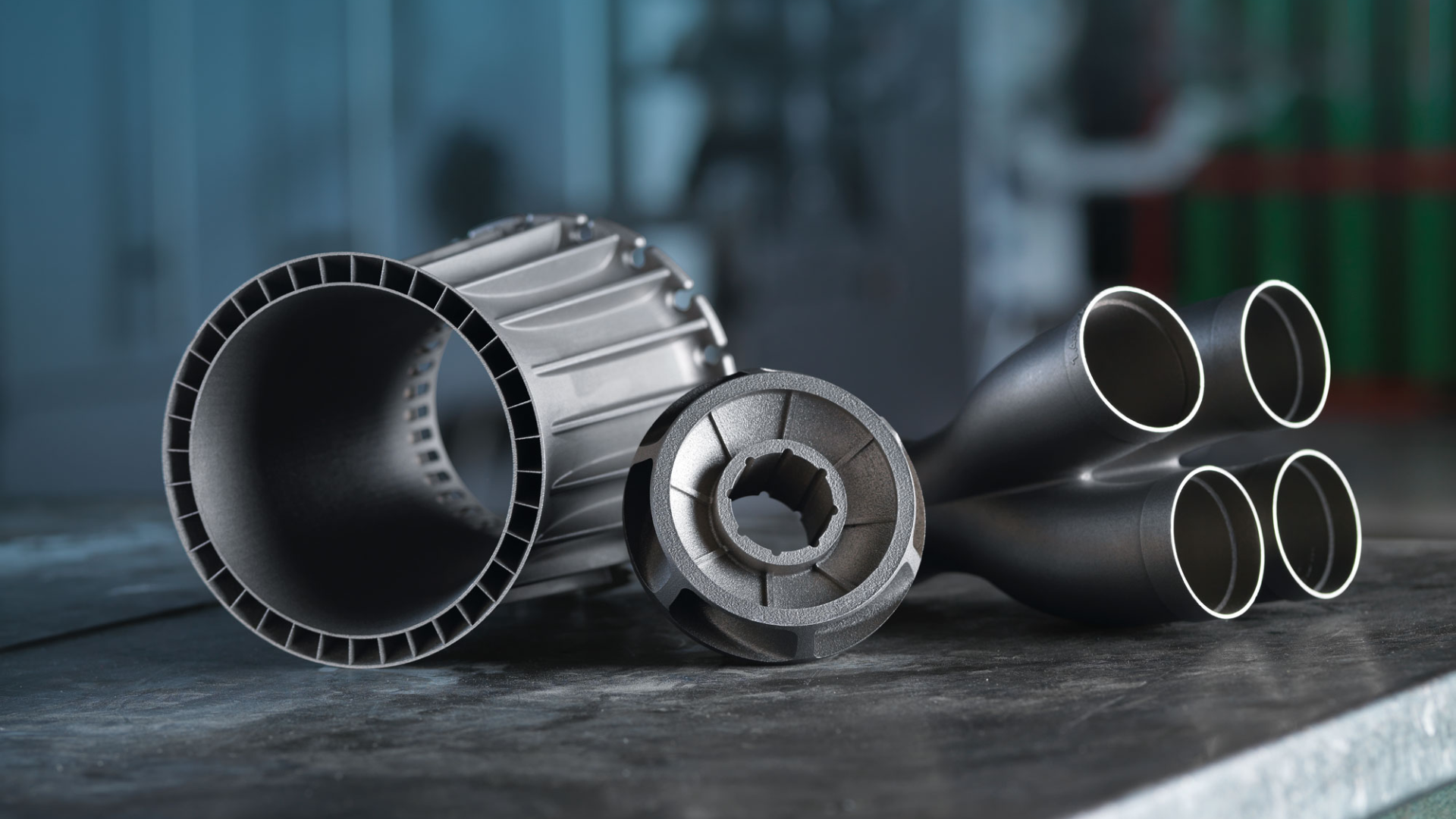
Certain local vendors have been characterized by their focus on CNC-based prototyping, especially of machined parts with tight tolerances or multiple material selections.
Many regional manufacturers follow best practices promoted by organizations like the National Association of Manufacturers.
A case in point is Roberson Machine, which is frequently cited in reference to CNC machining and prototype development that is used to support automotive and energy-sector applications where precision and repeatability are paramount.
Their strategy is typical of an NJ model: prototype components are manufactured on the same machines and workflows as the final product, which lowers the risk in case of volume growth.
Others are concerned with quick iteration and design-to-manufacturing feedback. NAMF is a type of NJ and NY-based stores that focus on machining prototypes in a short time frame, enabling engineers to test changes in a short time before committing to specifications.
It comes in handy especially with startups or R&D teams that are developing functional requirements and have strict deadlines.
Multi-material and plastic prototyping is also involved. Bennett Plastics is one of the examples of the providers that facilitate the development of prototypes with the help of 3D printing and short-run fabrication that usually supplements metal parts utilized in assemblies or enclosures.
| Fabricator | Key Prototyping Services | Industries Served | Typical Turnaround |
| Roberson Machine | CNC machining, multi-material prototypes | Automotive, energy | Days to weeks |
| NAMF | Rapid CNC prototyping, iterative machining | General manufacturing | Fast, iterative |
| Bennett Plastics | 3D printing, plastic prototypes | Tri-state custom manufacturing | Quick turnaround |
What these NJ fabricators have in common is continuity. Prototypes are not treated as throwaway parts, but as the foundation for production tooling, process planning, and quality control.
For manufacturing decision-makers, choosing a New Jersey fabricator that integrates prototyping and production under one roof can significantly reduce handoff risk and shorten the path from concept to market.
Case Studies and Real-World Prototyping Examples in New Jersey Manufacturing
Practically, prototyping provides the greatest value by avoiding issues that would otherwise be encountered in the production.
This is played out on a regular basis by the New Jersey manufacturers, particularly in the industries where there are tight tolerances and failure is costly.
Take the case of a mid-sized auto supplier that is designing a stamped and formed bracket that is to be used in a new car platform.
The initial reviews of CAD did not indicate any problems, however, a prototype machined on CNC revealed interference during the process of assembly and would have necessitated a tooling redesign post-launch.
Through the prototype stage, the engineering team prevented several revisions of tooling and an approximate of $50,000 of downstream revisions by modifying bend radii and hole placement.
Since the prototype was made with processes that were intended to be used in production, the shift to volume production did not need to be redesigned.
Another typical example is energy-sector components. Components that are utilized in power generation or in the oil and gas field should be able to withstand vibration, heat and corrosion.
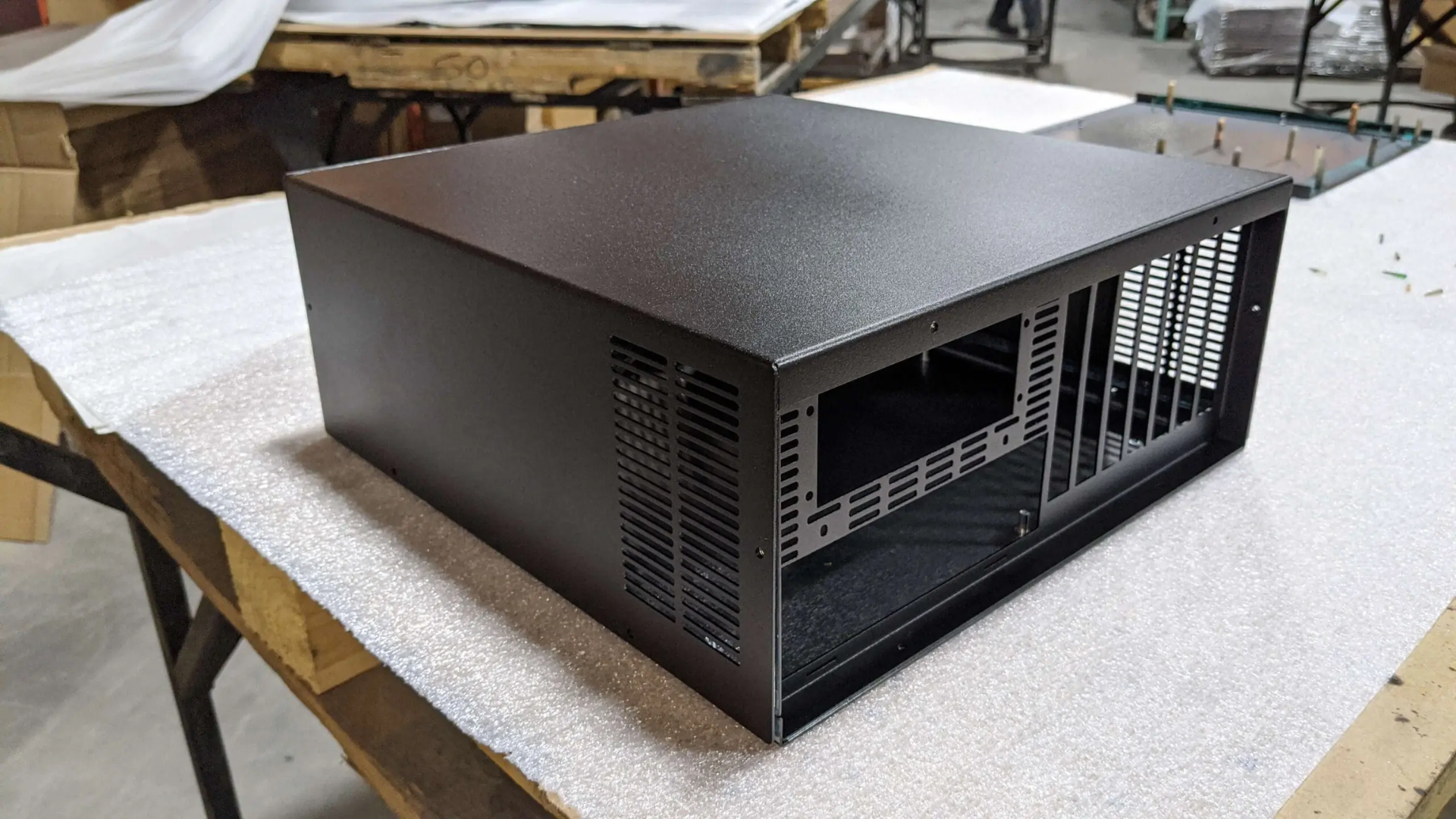
A New Jersey counterfeiter made pre-production prototypes of a sheet metal enclosure to shield delicate controls in a hostile setting.
Premature fastener fatigue was found during thermal cycling. The thickness of the material and way of fastening was also changed prior to the start of production and this removed the chances of field failures that would have led to the costly recalls or warranty claims.
Prototyping is also essential when the startups and product teams are on a fast track. In a hypothetical yet realistic NJ case, a hardware startup applied rapid CNC prototyping to test three material options of a structural housing.
Physical testing ensured that the cheapest alternative met the performance specifications, lowering the unit costs before the production began. This choice, which was done in prototyping, enhanced long-term margins.
The trend is similar in all these instances: prototyping enables New Jersey manufacturers to test real-life performance early, guard budgets, and go into production knowing rather than guessing.
How to Choose the Right New Jersey Fabricator for Prototyping
Not every prototyping service has the same long-term value. To the manufacturing decision-makers in New Jersey, it is not merely to get a prototype; it is to engage a fabricator that can take the project through the initial validation and all the way to full-scale production without any hitch.
The selection of the appropriate shop during the prototyping phase can make or break the production either proceeding without any hitches or halting due to unforeseen revisions.
Process alignment is the first factor to consider. A fabricator, which constructs prototypes in the same CNC machines, fabrication process, and quality checks as the production will give more credible outcomes.
This continuity guarantees that the tolerances, materials and finishes that have been tested in prototyping will act similarly as volumes are increased.
Stores which are dependent on outsourced or one-time prototype approach can bring in variables that will reoccur as production problems in the future.
Another important aspect is material capability. The New Jersey manufacturers tend to deal with alloy steels, aluminum, stainless steel, and engineered plastics in the same assembly.
Before specifications are finalized, a qualified prototyping partner must show experience in these materials and recommend trade-offs in terms of strength, weight, corrosion resistance and cost.
Lead times and engineering assistance are also important. Prototyping works best when the revisions can be made in a short time and in a team-based manner.
Fabricators providing in-house engineering feedback, design-for-manufacturing advice, and open pricing of prototypes assist teams to make sound decisions without delays.
Finally, the prototyping is not a transactional service, but a strategic step of the right New Jersey fabricator.
By designing prototypes that are production oriented, manufacturers have a clear picture, cost management and confidence to scale before committing themselves.
Evaluating a fabricator’s quality assurance process is critical when prototypes are expected to transition directly into production.
Prototyping Is the Smart First Step for New Jersey Manufacturers
To manufacturing teams contemplating the idea of proceeding with a new part or assembly, the answer is simple, yes, New Jersey fabricators regularly provide prototyping prior to full production and they do so with production preparedness in mind.
Prototyping permits design suppositions to be confirmed, materials to be validated, and assembly difficulties to be recognized at an early phase, when modifications are still possible and economical.
The combination of technical depth and proximity is what New Jersey is unique in.
Local manufacturers that combine CNC machining, sheet metal fabrication, and engineering services allow quicker iteration, more effective communication, and easier transition into manufacturing.
Rather than considering prototypes as expendable samples, these stores base their tooling decisions, quality criteria, and scalable production processes on them.
To engineers, procurement managers and product teams, prototyping is not an expense, it is insurance against much greater costs in the future.
Involving a New Jersey fabricator at an early stage in the development cycle will minimize risk, safeguard budgets and minimize time to market. The prototype step is usually the most effective decision to make before making a full production.
To reduce risk before scaling, manufacturers should speak with a New Jersey fabricator early, requesting a prototyping consultation before committing to full production.
Frequently Asked Questions
Do New Jersey fabricators offer prototyping before full production?
Yes. Most New Jersey fabricators provide CNC machining, sheet metal, or rapid prototyping services before committing to full-scale production.
What types of prototyping services do NJ fabricators offer?
Common services include CNC machining prototypes, sheet metal fabrication prototypes, rapid iteration runs, and pre-production testing.
Why is prototyping important before manufacturing at scale?
Prototyping helps identify design flaws, validate materials, reduce production risk, and prevent costly tooling or rework issues.
Can New Jersey fabricators transition prototypes into production?
Many NJ fabricators operate as one-stop shops, allowing successful prototypes to move directly into production using the same processes.
How long does prototyping take with a New Jersey fabricator?
Turnaround can range from a few days to a few weeks depending on part complexity, materials, and required revisions.